
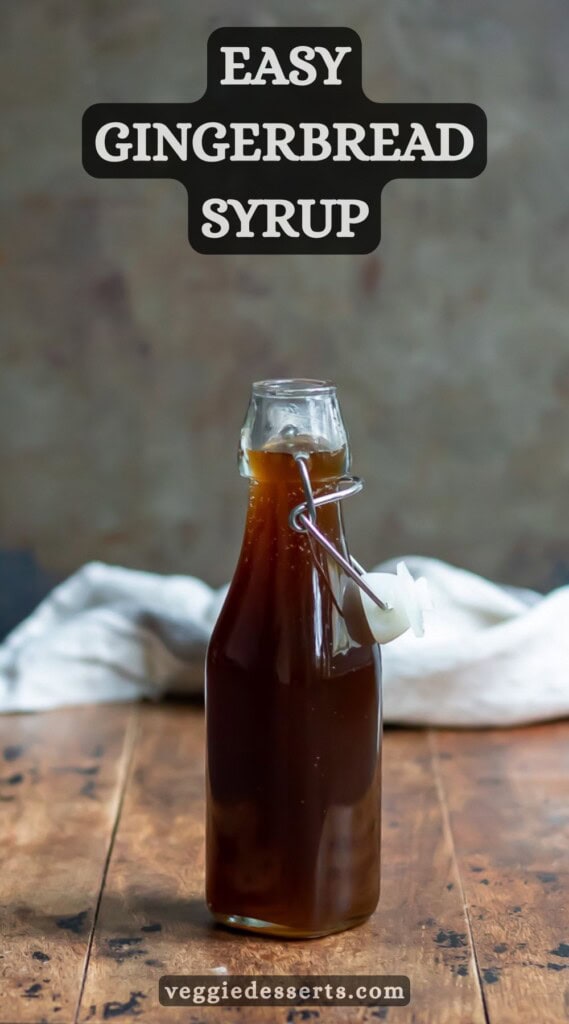
Make this simple Gingerbread Syrup with warming spices in just 20 minutes. It's perfect for festive lattes, pancakes, desserts and cocktails!
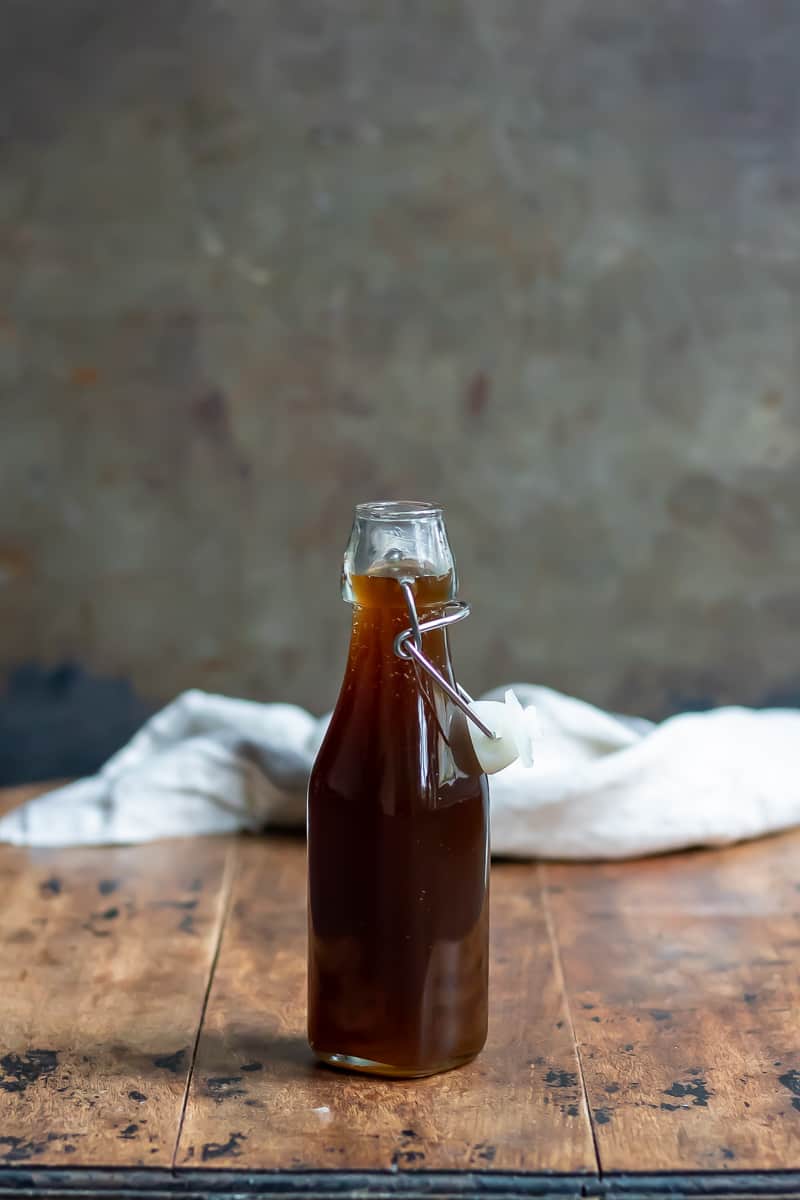
This homemade Gingerbread Syrup is sweet, gently spiced and full of the warming flavours of ginger, cinnamon, nutmeg and cloves.
It's particularly good stirred into a latte, poured over pancakes or added to hot chocolate, and you only need a handful of inexpensive pantry ingredients to make it.
Having a bottle of gingerbread syrup in the fridge is such an easy way to bring a little festive flavour to everyday food and drinks.
A splash in your morning coffee or a drizzle over a bowl of oatmeal can make a regular breakfast feel quite special.
The flavour is reminiscent of freshly baked gingerbread cookies, with the gentle heat of ginger, the sweetness of cinnamon and the fragrant warmth of nutmeg and cloves.
Brown sugar adds a lovely caramel undertone, while an optional spoonful of molasses gives the syrup a deeper, more traditional gingerbread flavour.
Gently simmering everything together allows the flavours to develop while reducing the liquid to a light, pourable syrup.
It's ideal for making festive coffee shop-style drinks at home, serving at Christmas brunch or giving as a homemade holiday gift.
You could add it to a hot chocolate bar or festival coffee bar alongside Pumpkin Spice Syrup, Vanilla Syrup, Peppermint Syrup and Chestnut Syrup!
Jump to:
Why You'll Love This Recipe
- Enjoy coffee shop-style drinks at home. You don't need expensive flavoured syrups to make a good gingerbread latte. A spoonful of homemade syrup, freshly brewed coffee and your favourite milk are all you need.
- It tastes like gingerbread, not just sweetened cinnamon. The combination of ginger, cinnamon, nutmeg, cloves and brown sugar gives the syrup a rounded, warming flavour reminiscent of freshly baked gingerbread cookies.
- It's ready in under 20 minutes. Everything goes into one saucepan, with no complicated preparation or specialist equipment required.
- You're in control of the flavour. Unlike bottled coffee syrups, you can adjust the spices to suit your tastes, whether you prefer a gentle cinnamon warmth or a more pronounced ginger flavour.
- It's more than just a coffee syrup. The pourable consistency makes it equally useful for drizzling over French toast, sweetening oatmeal, flavouring cocktails or adding a festive twist to everyday desserts. A drizzle over vanilla ice cream is incredible!
- It's economical and helps use up pantry ingredients. Rather than buying a large bottle of seasonal syrup that might sit untouched after Christmas, you can make your own using inexpensive sugars and spices you probably already have.
- It's a practical homemade Christmas gift. A little bottle of gingerbread syrup makes a thoughtful edible gift for coffee lovers, particularly when paired with some good coffee beans and a handwritten suggestion for making a gingerbread latte. Just remember to include refrigeration and storage
Ingredients
- Water - Forms the base of the syrup and allows the sugar to dissolve and the spices to infuse. Ordinary drinking water is fine, although filtered water is a good choice if your tap water has a particularly noticeable taste.
- Granulated Sugar - White sugar dissolves quickly and provides sweetness without competing with the spices.
- Brown Sugar - Gives the syrup its warm caramel flavour and golden-brown colour. I recommend light brown sugar for a balanced flavour, although dark brown sugar works well if you prefer something richer.
- Unsulphured Molasses (Optional) - Adds a deeper, slightly earthy sweetness reminiscent of traditional gingerbread cookies. Choose regular unsulphured molasses rather than blackstrap, which can be quite bitter. Black treacle is a suitable alternative for UK readers. If you don't have either, simply leave it out.
- Ground Ginger - The most important spice in the recipe, providing that familiar gingerbread warmth. Check that your ground ginger still has a fragrant, slightly peppery aroma, as older spices can lose much of their flavour.
- Ground Cinnamon - Softens the sharper flavour of the ginger and adds a naturally sweet, woody warmth. Ordinary ground cinnamon works well here.
- Whole Cloves - Provide a distinctive festive fragrance and bring the other spices together. I prefer whole cloves because they release their flavour during simmering and can easily be strained out afterwards.
- Ground Nutmeg - Adds a subtle, earthy warmth that rounds out the spice mixture. Freshly grated nutmeg also works well, although it tends to have a slightly stronger aroma.
See the recipe card for quantities.
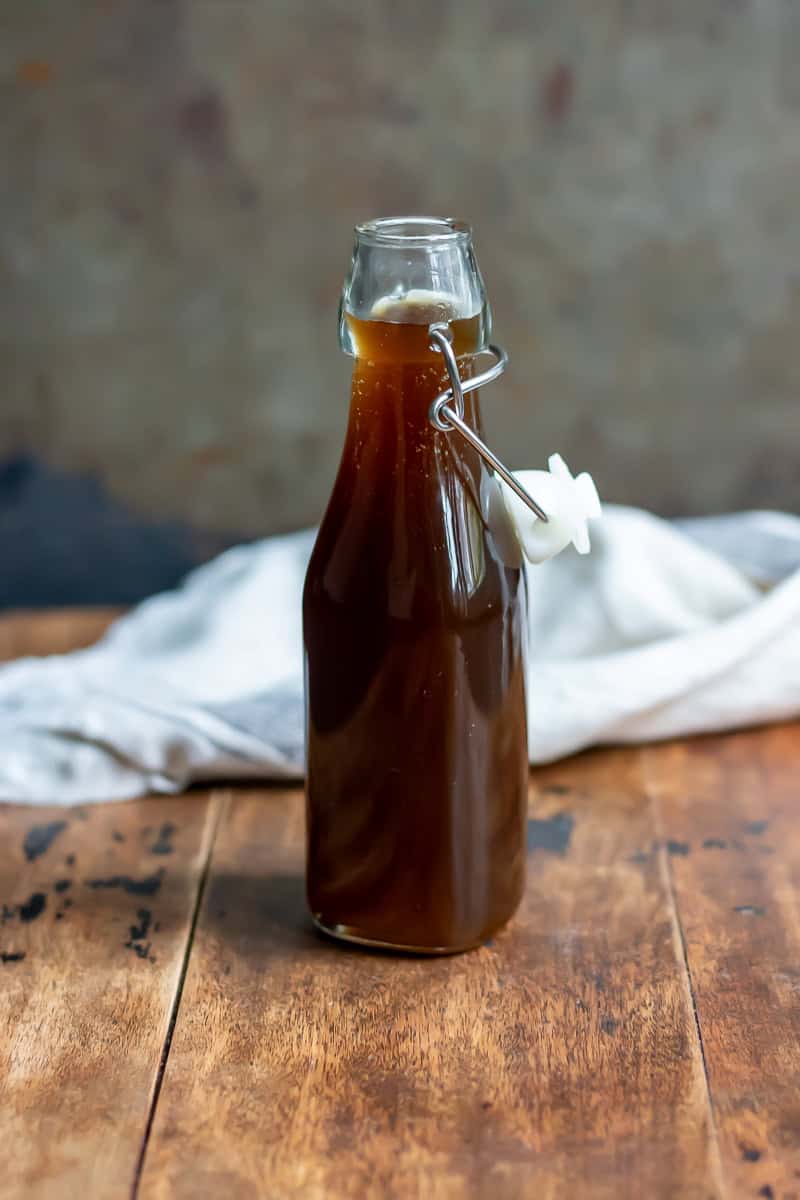
Molasses
Molasses is one of the ingredients responsible for the distinctive flavour of traditional gingerbread. It's a thick, dark syrup produced during sugar manufacturing, with a rich, slightly earthy flavour and bittersweet caramel notes.
Although brown sugar already contains molasses, adding a little extra gives this gingerbread syrup greater depth. It's particularly worthwhile if you're making gingerbread lattes, as the flavour needs to stand up to the coffee and milk without getting lost.
In the USA, I recommend regular unsulphured molasses, which has a relatively mild, sweet flavour. Avoid blackstrap molasses, as its pronounced bitterness can overwhelm the delicate balance of ginger, cinnamon, nutmeg and cloves.
If you're in the UK, black treacle is a readily available alternative and can be substituted in equal quantities. While the two aren't identical, black treacle provides a similar richness that works well with gingerbread spices.
I've made it optional because the brown sugar and spices provide plenty of flavour on their own. However, if you already have a jar in the cupboard, I think it's well worth adding.
Instructions
Follow this step-by-step photo tutorial, then scroll down to the recipe card for the full ingredients list and method.
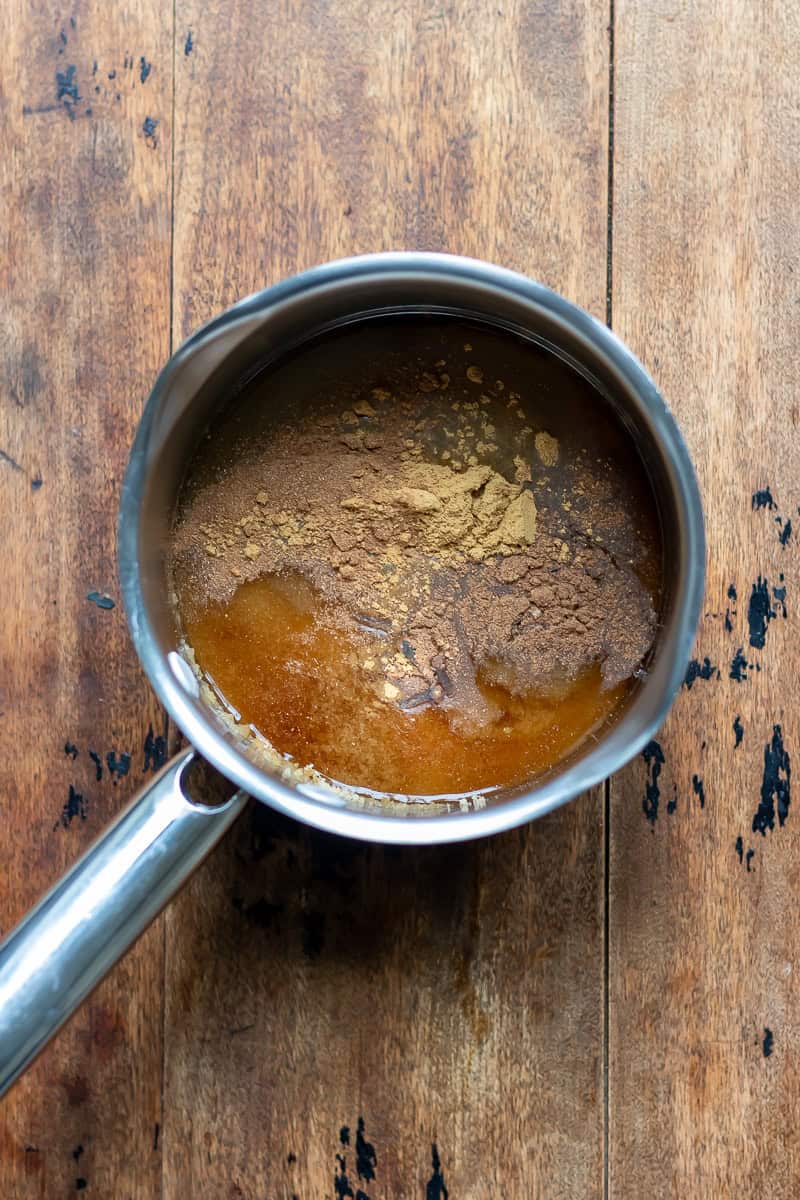
Combine the ingredients. Add the water, brown sugar, caster sugar, ground ginger, cinnamon, nutmeg, whole cloves and molasses, if using, to a small saucepan. Give everything a good stir. Some of the ground spices may float on the surface initially, but they'll gradually disperse as the mixture heats.
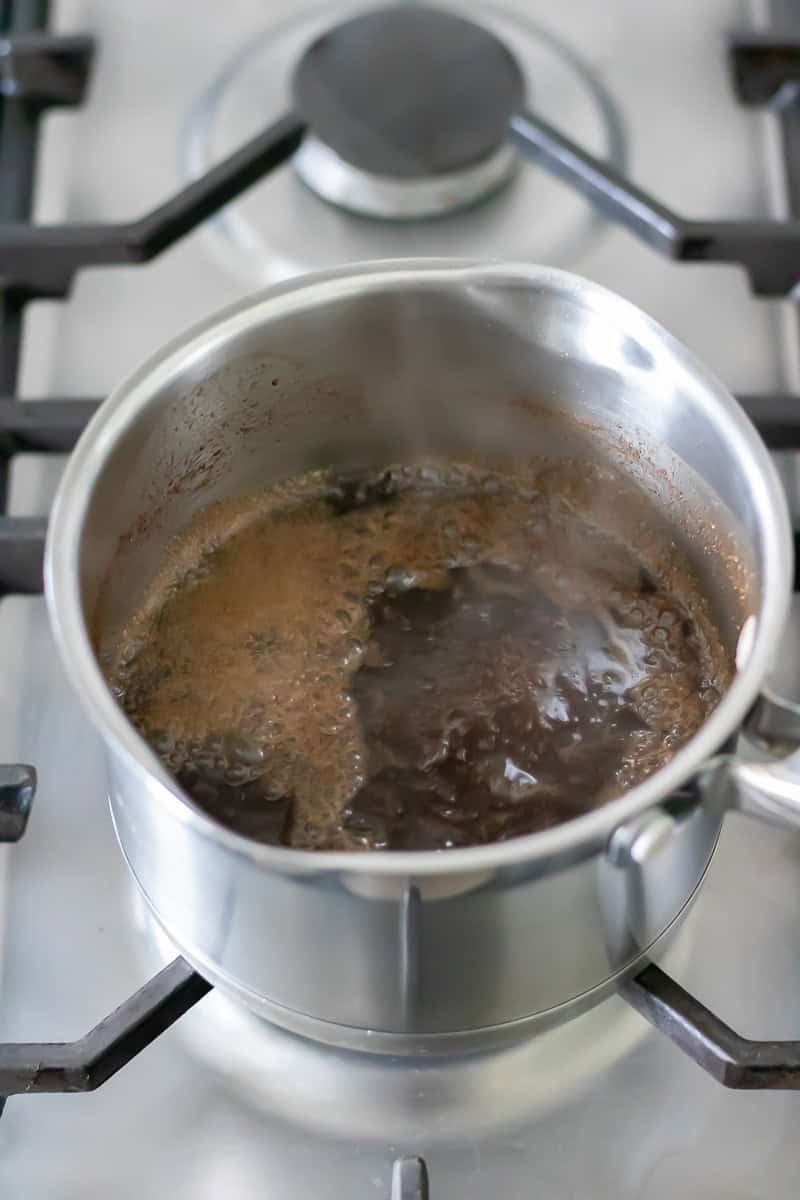
Dissolve the sugar. Heat over medium-low heat for 5 minutes, stirring occasionally until the sugar has completely dissolved. There shouldn't be any noticeable sugar crystals remaining on the bottom of the saucepan.
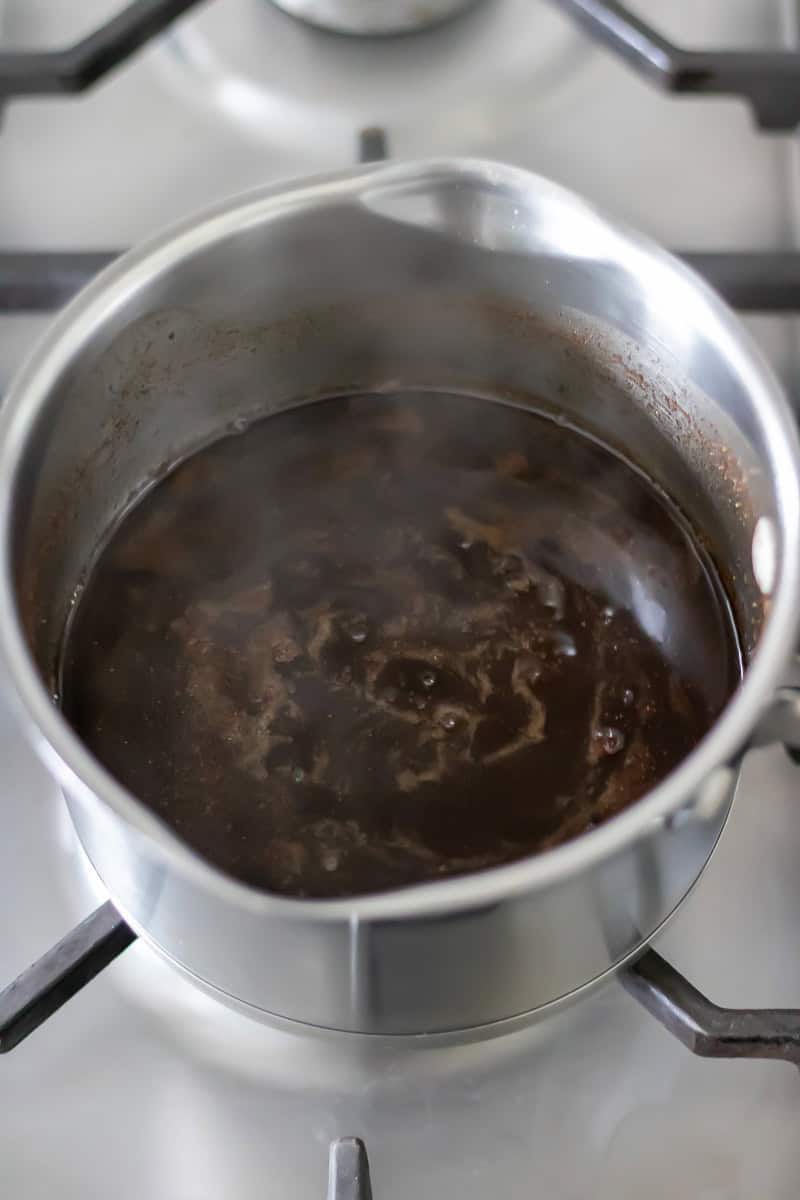
Simmer gently. Reduce the heat and simmer uncovered for 10 minutes. A gentle simmer allows the spices to release their flavour while slightly reducing the liquid. The syrup should still look quite runny at this stage, so resist the temptation to cook it for longer.
Allow to cool slightly. Remove the saucepan from the heat and leave it to stand for 5 minutes. This allows some of the spice particles to settle and makes the syrup easier to handle.
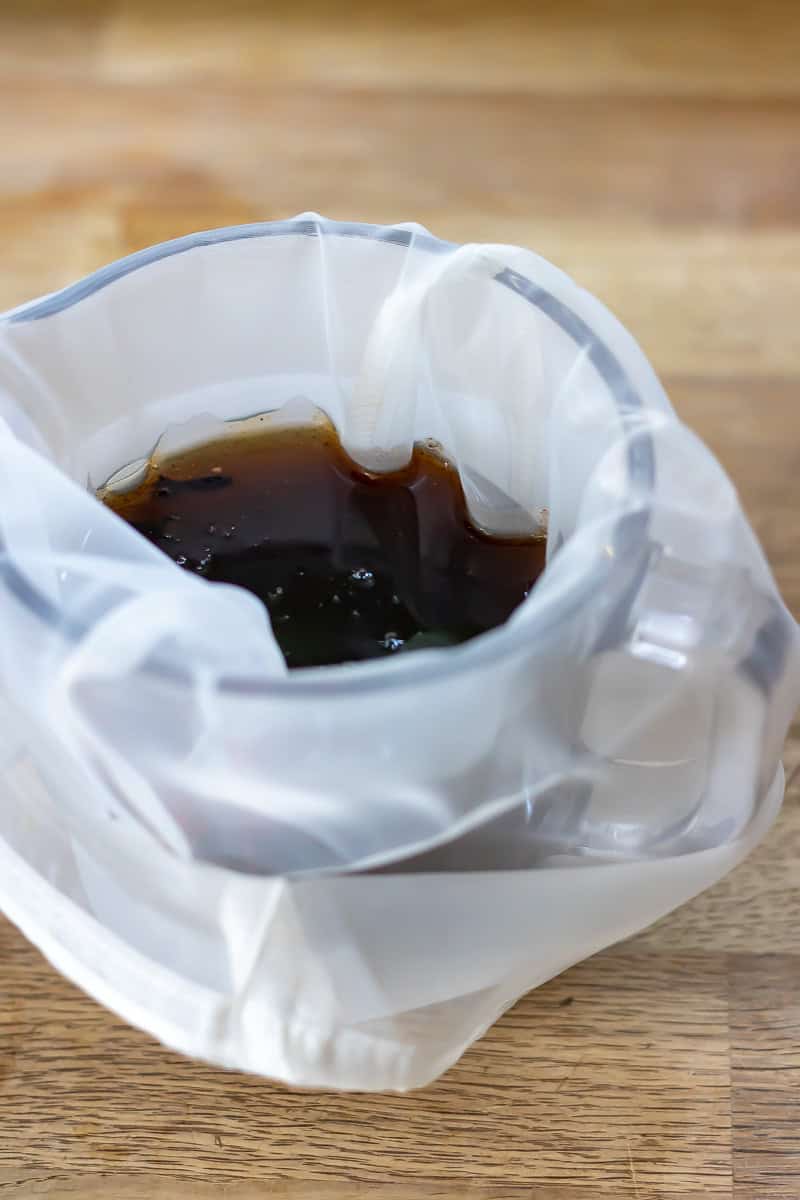
Strain the syrup. Pour through a fine-mesh sieve or a heat-safe nut milk bag positioned over a heatproof bowl or jug. If you prefer a smoother syrup with less sediment, line your sieve with fine muslin.
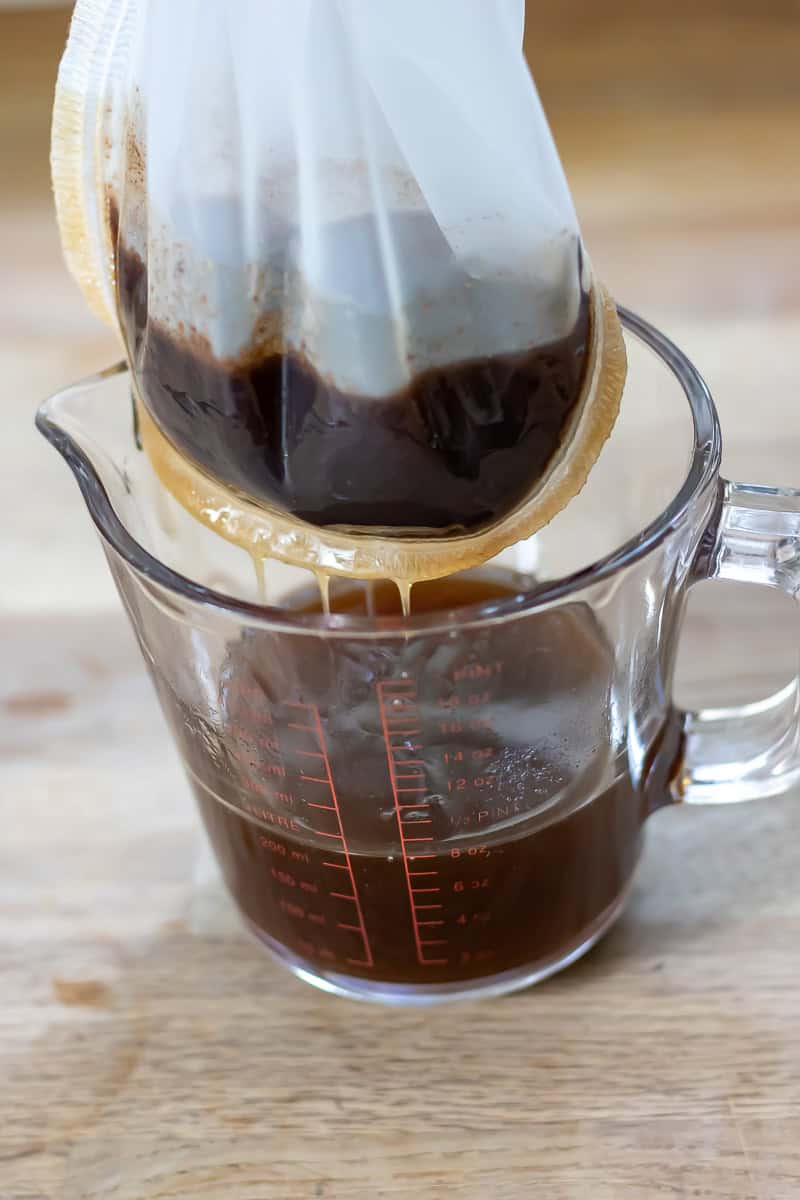
Avoid pressing the collected spices through the strainer.
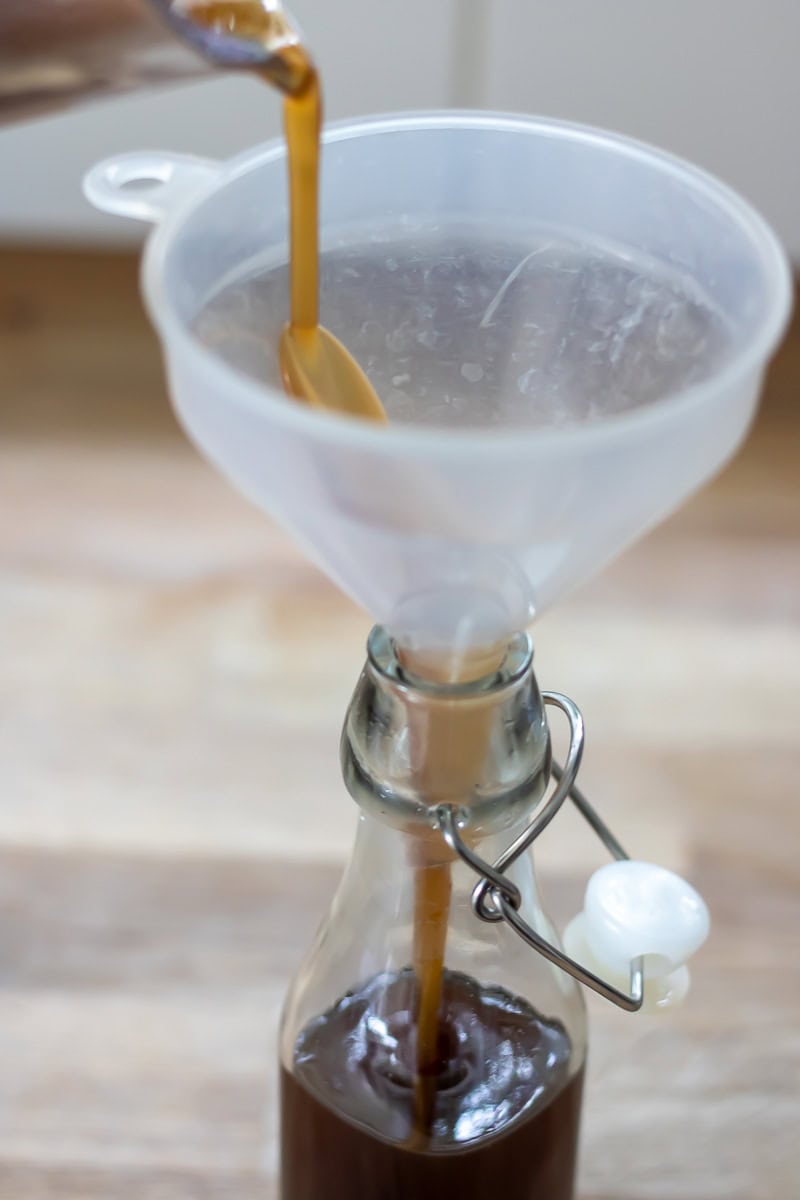
Bottle and store. Pour the gingerbread syrup into a clean, heat-safe jar or bottle. Allow it to cool, seal and refrigerate promptly. The syrup will develop a slightly thicker consistency as it chills.
Serving Suggestions
Although I particularly like gingerbread syrup in coffee, its light, pourable consistency makes it useful for everything from breakfast to festive desserts. Here are some of my favourite ways to serve it.
- Gingerbread Latte. Stir 1–2 tablespoons into a shot of espresso, top with steamed milk and finish with a dusting of cinnamon.
- Iced Coffee. Add to cold brew or an iced latte. The syrup mixes easily into cold drinks without leaving undissolved sugar at the bottom of the glass.
- Hot Chocolate. Stir a spoonful into homemade hot chocolate and finish with whipped cream for a festive treat.
- Pancakes, Waffles and French Toast. Use instead of maple syrup and serve with sliced bananas, toasted pecans or a spoonful of whipped cream.
- Oatmeal and Overnight Oats. Stir through your breakfast oats with chopped apples, raisins and walnuts for a lovely gingerbread-inspired breakfast.
- Festive Cocktails. Use in place of simple syrup in an Old Fashioned, espresso martini or White Russian. It pairs particularly well with bourbon and dark rum.
- Mocktails. Mix with cloudy apple juice, sparkling water and a squeeze of fresh lemon juice for a refreshing spiced drink.
- Ice Cream. Drizzle over vanilla, caramel or coffee ice cream and scatter with crushed gingerbread cookies for added texture.
- Cakes and Cupcakes. Brush a little syrup over freshly baked sponge cakes to add moisture and a subtle gingerbread flavour. Try it with Gingerbread Pumpkin Cupcakes.
- Yoghurt and Granola. Swirl into plain Greek yoghurt and serve with crunchy granola and sliced pears. It's also great on Whipped Cottage Cheese with Fruit.
- Baked Apples and Pears. Spoon over the fruit before roasting, allowing the syrup to mingle with the natural juices as the fruit softens. Try it drizzled over Stewed Pears.
- Cheesecake. Drizzle over vanilla or baked cheesecake just before serving. The warming spices work particularly well with the tanginess of cream cheese.
Variations
- Vanilla Gingerbread Syrup. Stir in a little vanilla extract after cooking to soften the spices and add a rounded sweetness.
- Dark Gingerbread Syrup. Use dark brown sugar for a deeper colour and richer caramel flavour.
- Maple Gingerbread Syrup. Replace some of the sugar with pure maple syrup for a mellow, woody sweetness.
- Orange Gingerbread Syrup. Add a few strips of orange peel during simmering, avoiding the bitter white pith.
Storage
Refrigeration: Allow the gingerbread syrup to cool before transferring it to a clean, airtight glass bottle or jar. Store in the refrigerator for up to 2 weeks. A little spice sediment may settle at the bottom during storage, so give the bottle a gentle shake before using.
Freezing: Gingerbread syrup can be frozen for up to 3 months. I recommend freezing it in small portions or an ice cube tray so you can defrost just what you need. Due to its sugar content, the syrup may not freeze completely solid. Defrost in the refrigerator and stir well before serving.
Make Ahead: This syrup is ideal for making ahead of Christmas, particularly if you're planning a festive brunch or serving drinks to guests. Prepare it a few days in advance and keep it refrigerated until needed.
Gifting: Pour the syrup into a clean, sterilised glass bottle and attach a label with the preparation date, use-by date and refrigeration instructions. Homemade gingerbread syrup isn't shelf-stable and should be kept chilled, even when unopened.
Recipe tips
- Use fresh spices. The flavour of this syrup relies heavily on the spices, so it's worth checking that they still have a good aroma before starting.
- Add molasses for a more traditional gingerbread flavour. Although entirely optional, I recommend adding it if you have some in the cupboard. Just a tablespoon gives the syrup greater depth and richness, particularly when mixed with coffee and milk.
- Choose the right molasses. If using molasses, opt for regular unsulphured molasses rather than blackstrap, as its milder, sweeter flavour complements the gingerbread spices without overpowering them.
- Use black treacle if you're in the UK. Black treacle (Tate & Lyle) is a readily available alternative to unsulphured molasses and can be substituted in equal quantities, giving the syrup a similarly rich, dark caramel flavour.
- Keep the heat gentle. A rapid boil can reduce the syrup too quickly, leaving it overly thick once refrigerated.
- Don't overdo the cloves. Although they're small, cloves have a remarkably strong flavour and can easily dominate the other spices.
- Remember that the syrup thickens as it cools. It will look noticeably thinner in the saucepan than you want it to be when serving.
- Don't worry about a little sediment. Ground spices are difficult to remove completely, even with a fine-mesh sieve. Try passing it through a sieve or nut milk mesh bag a couple of times.
- Shake before using. This helps redistribute any spices that have settled during storage.
- Add the syrup gradually to drinks. Start with a tablespoon and adjust to taste, particularly when adding it to naturally sweet milk alternatives or hot chocolate.
Simple Syrup


FAQ
Gingerbread syrup has a sweet caramel flavour with the gentle warmth of ginger, cinnamon, nutmeg and cloves. It tastes similar to traditional gingerbread cookies, with a light, pourable consistency.
Yes, molasses is entirely optional. Brown sugar already provides a lovely caramel flavour that complements the gingerbread spices. Simply leave the molasses out without adjusting any of the other ingredients.
I recommend starting with one tablespoon per cup of coffee. For a larger or sweeter gingerbread latte, use two tablespoons and adjust according to your preference.
Simmer it uncovered for a few additional minutes to evaporate more water. However, I recommend allowing the syrup to cool before deciding whether it needs further reducing, as it naturally thickens as it cools.

Sign up for our free newsletter and never miss a recipe!
Plus, you'll get a free eBook: 15 Minute Vegan Dinners!
⭐⭐⭐⭐⭐ If you love this recipe, please leave a five-star rating and review in the comments below! And if you make any modifications, let us know how it went so that we can all benefit from your experience. Happy cooking!
📖 Recipe
Gingerbread Syrup
Equipment
- Saucepan
- Fine mesh sieve
Ingredients
- 1 ½ cups water 350ml
- ½ cup brown sugar 100g
- ¾ cup white sugar 150g
- 1 tablespoon unsulphured molasses or black treacle optional
- 1 ½ teaspoons ground ginger
- ½ teaspoon ground cinnamon
- ¼ teaspoon ground nutmeg
- 5 cloves
Instructions
- Add all the gingerbread syrup ingredients to a saucepan.
- Heat for 5 minutes over a medium/low heat, stirring occasionally, until the sugar dissolves.
- Reduce the heat and simmer for 10 minutes.
- Remove from the heat and leave to cool for 5 minutes, then strain through a fine mesh sieve or nut milk bag over a bowl of jug.
- Pour the gingerbread syrup into a jar or bottle.
- Pour it into a clean jar or bottle. The syrup can be stored in the fridge for up to 2 weeks in an airtight container.
- To store for longer, or for gifting, store in a sterilized jar or bottle for up to a month.
Notes
- Use fresh spices. The flavour of this syrup relies heavily on the spices, so it's worth checking that they still have a good aroma before starting.
- Add molasses for a more traditional gingerbread flavour. Although entirely optional, I recommend adding it if you have some in the cupboard. Just a tablespoon gives the syrup greater depth and richness, particularly when mixed with coffee and milk.
- Choose the right molasses. If using molasses, opt for regular unsulphured molasses rather than blackstrap, as its milder, sweeter flavour complements the gingerbread spices without overpowering them.
-
Use black treacle if you're in the UK. Black treacle (Tate & Lyle) is a readily available alternative to unsulphured molasses and can be substituted in equal quantities, giving the syrup a similarly rich, dark caramel flavour.
-
Keep the heat gentle. A rapid boil can reduce the syrup too quickly, leaving it overly thick once refrigerated.
-
Don't overdo the cloves. Although they're small, cloves have a remarkably strong flavour and can easily dominate the other spices.
-
Remember that the syrup thickens as it cools. It will look noticeably thinner in the saucepan than you want it to be when serving.
-
Don't worry about a little sediment. Ground spices are difficult to remove completely, even with a fine-mesh sieve. Try passing it through a sieve or nut milk mesh bag a couple of times.
-
Shake before using. This helps redistribute any spices that have settled during storage.
- Add the syrup gradually to drinks. Start with a tablespoon and adjust to taste, particularly when adding it to naturally sweet milk alternatives or hot chocolate.
Nutrition
The nutritional information provided is approximate and can vary depending on several factors, so is not guaranteed to be accurate. Please see a registered dietician for special diet advice.
Comments
No Comments